
What Is Constructivism?
I’ve recently learned about a great concept in pedagogy called constructivism. This is the idea that people learn best when we can apply knowledge that we already have they already have. Instead of treating each subject or topic as completely separate, constructivism encourages us to build knowledge by linking and layering information over time. I’ve written elsewhere about how a constructivist approach can make mathematics much easier, for example. When a child learns something new and can relate it to something familiar, the learning is much deeper and the child can come to think of education as something they actively do rather than passively receive.
The Power of Prior Knowledge
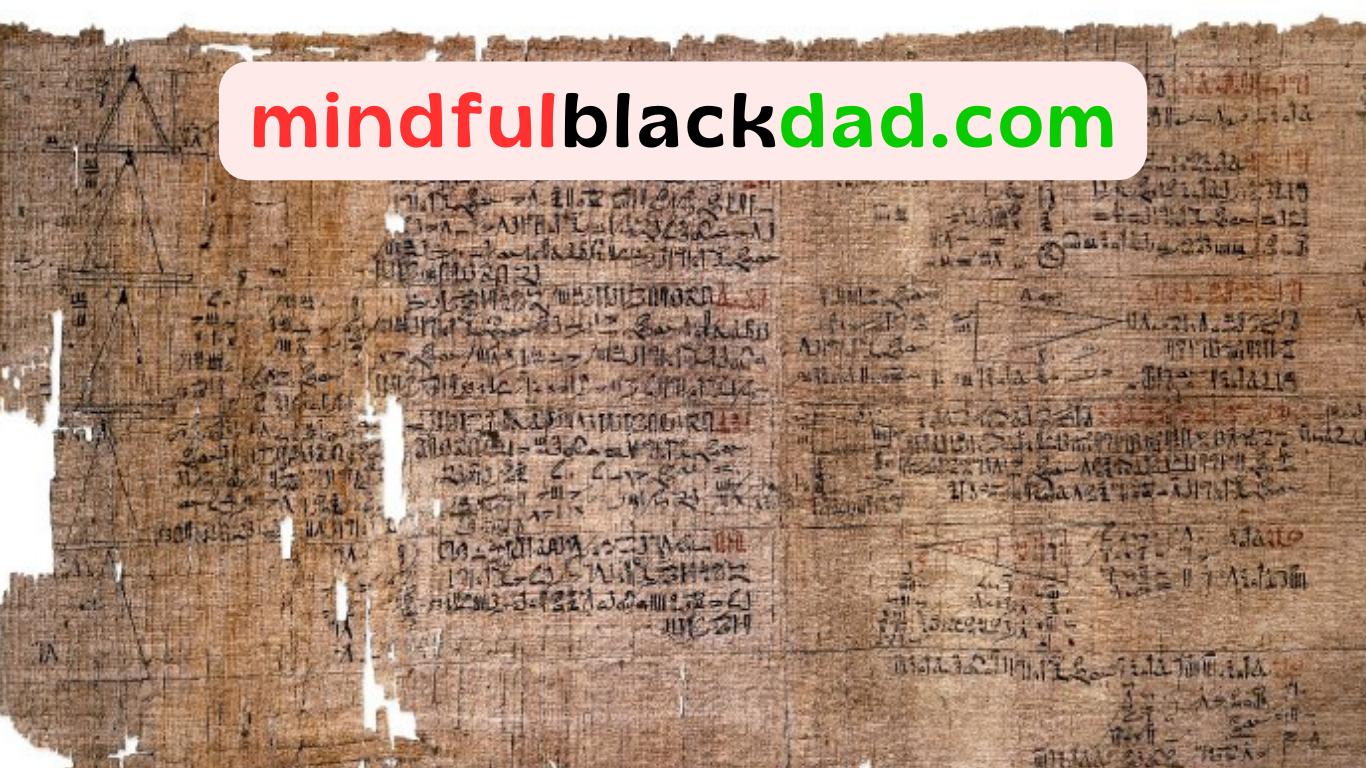
They key is to explicitly connect the different things that children are learning. For example, imagine a child is learning about evolutionary biology and how it helps shape the different phenotypes in the human family such as skin colour. While learning this, they can also start to consider the molecule that gives people’s skin, hair and eyes brown and black colour – eumelanin. At around the same time, the child can also look into how the people of ancient Kemet (modern name: Egypt) depicted themselves in their artwork as dark skinned people of various hues. And we can even make connections to mathematics by learning about how the earliest extant algebra problems are contained in ancient Kemetic manuscripts.
At all steps, we should encourage children to find connections between the different topics they are learning about. The more they learn, the more connections they make and the deeper their understanding will be.
As adults, we experience this too. If you’ve ever found that something you once read or watched in one area pops up in a completely different context – that’s your brain making connections. Something you learnt in history might help you understand politics. A bit of maths might help you grasp a concept in computing. Isolated facts in and of themselves are useless. They gain power when we connect them with other facts, ideas, concepts.
Encouraging Rich Learning in Children
As parents, we should expose our children to as many ideas and areas of knowledge as possible. Let them read widely, play freely, explore their interests, and talk about what they’re learning. The goal is to help them become adaptable thinkers. The more connections they can make, the easier it becomes for them to understand new things, apply their knowledge, and even create new ideas of their own. A child who sees the links between different subjects is far more likely to grow into an innovative, curious, and confident adult.
Learning for Learning’s Sake
The best learning happens when it’s not rushed, pressured, or only focused on outcomes. I strongly believe that humans thrive when we learn for learning’s sake. Knowledge builds upon knowledge. And over time, that builds wisdom.



[…] learning strategy is called constructivism and is very powerful in mathematics. In particularly, it builds mathematical fluency — and it has […]